Follow on WhatsApp
Meadows Foundation Trust Honours Excellence, Service and Human Endeavour

Editorial
Delhi’s Civic Facelift: A Timely Glow-Up for the Global Stage
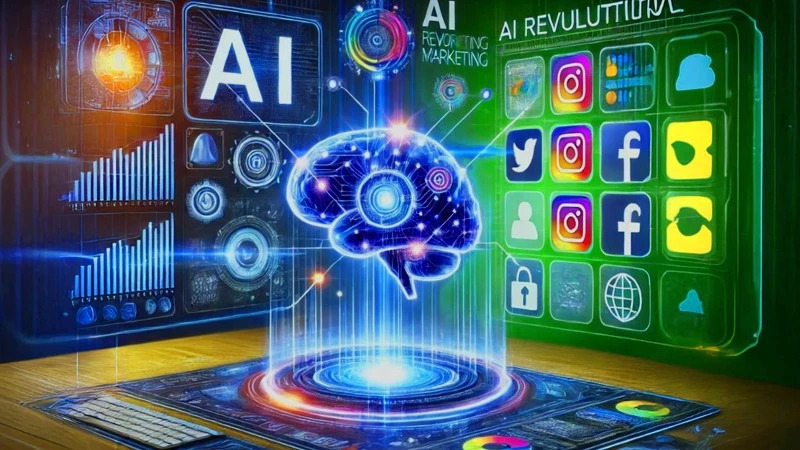
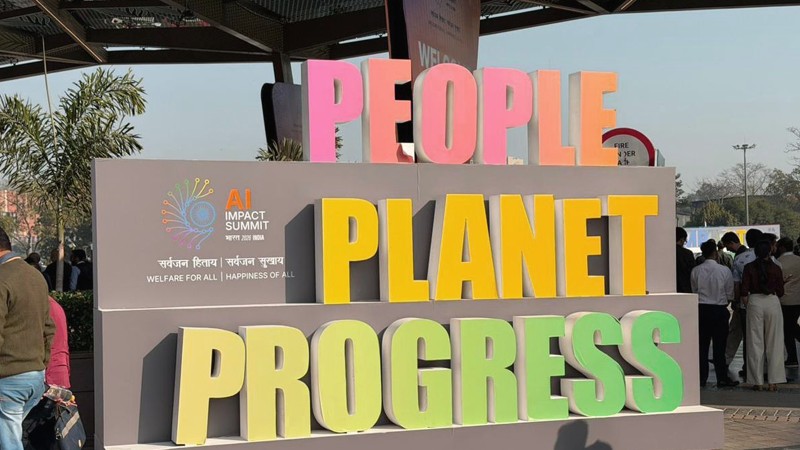
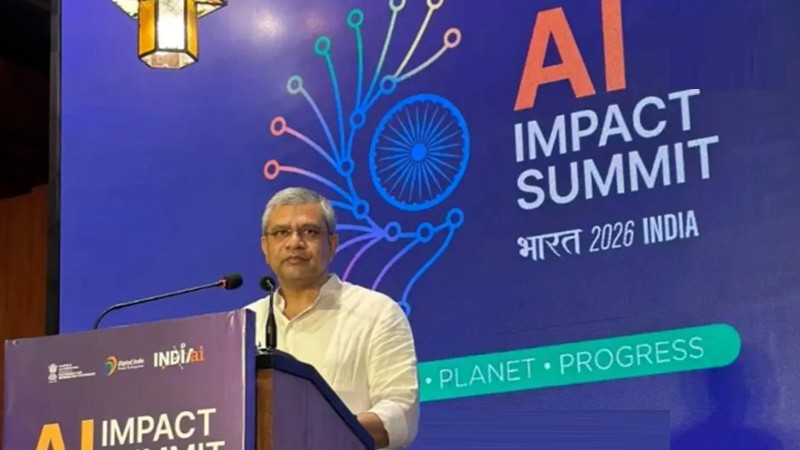
As New Delhi gears up to host the India AI Impact Summit 2026 from February 19-20 at Bharat Mandapam, the national capital is undergoing a comprehensive civic transformation. This flagship global event, the first AI summit in the Global South, will convene world leaders, tech CEOs from companies like Google DeepMind and Anthropic, researchers, and policymakers to deliberate on inclusive AI for people, planet, and progress. With Prime Minister Narendra Modi set to inaugurate the proceedings, expectations are high—not just for groundbreaking discussions on ethical AI and bridging the global AI divide, but also for presenting a polished, world-class host city.
Drawing lessons from the successful G20 Summit preparations in 2023, Delhi’s authorities have launched an ambitious facelift drive. The Chief Secretary has directed agencies to surpass those standards, mandating completion of works by January 31, 2026. Key initiatives include:
• Beautification of major roads
• Improved signage and lighting
• Enhanced cleanliness
• Sprucing up iconic sites like India Gate, Red Fort, Qutub Minar, Humayun’s Tomb, Chandni Chowk, and Raj Ghat
Measures to manage stray animals and sensitize trade associations ensure order and decorum. Intersections are being revamped, parks greened, and infrastructure polished to create a welcoming “green carpet” for international delegates.
This makeover is more than cosmetic; it aligns with India’s rising stature in global AI governance. Hosting this summit positions the nation as a convener for the Global South, emphasizing AI’s real-world impact in healthcare, agriculture, and sustainability. The civic upgrades signal commitment to excellence, potentially leaving a legacy of better urban infrastructure.
Yet, history cautions balance. Past event-driven beautifications have faced criticism for being temporary or prioritizing optics over inclusivity. Sustaining these improvements—extending them beyond VIP routes and ensuring resident benefits—will determine if this facelift endures.
As delegates arrive amid blooming boulevards and illuminated landmarks, Delhi has a chance to shine not just as a backdrop, but as a vibrant testament to India’s AI ambitions. If the glow persists post-summit, it could mark a true upgrade for the city’s 20 million residents.
New Era Dawns in New York City
On January 1, 2026, Zohran Kwame Mamdani was sworn in as the 112th mayor of New York City, marking a profound historic milestone. The 34-year-old democratic socialist, born in Uganda to Indian-descended parents—acclaimed filmmaker Mira Nair and scholar Mahmood Mamdani—became the city’s first Muslim mayor, its first of South Asian descent, and its youngest in over a century. In a poignant midnight ceremony in the abandoned City Hall subway station, he placed his hand on two Qurans: one his grandfather’s, the other belonging to Black historian Arturo Schomburg. Later, at a public inauguration attended by progressive luminaries like Bernie Sanders (who administered a ceremonial oath) and Alexandria Ocasio-Cortez, Mamdani vowed to usher in a “new era” centered on affordability for working New Yorkers.
Mamdani’s ascent from a little-known Queens assemblyman to City Hall is nothing short of remarkable. Elected to the State Assembly in 2020 after upsetting a long-term incumbent, he entered the 2025 mayoral race as a long shot. Yet, fueled by grassroots enthusiasm, small-dollar donations, and record youth turnout, he stunned the establishment by defeating former Governor Andrew Cuomo in the Democratic primary and again in the general election (where Cuomo ran as an independent). Alongside Republican Curtis Sliwa, the race drew over two million votes—the highest mayoral turnout since 1969.
His inaugural address echoed this mandate: a commitment to govern “expansively and audaciously.” Mamdani pledged to tackle the city’s crippling affordability crisis through bold measures—rent freezes for stabilized units, free buses, universal childcare, and tax hikes on millionaires and corporations. Hours after taking office, he signed executive orders reviving tenant protections and revoking those issued by scandal-plagued predecessor Eric Adams post-indictment. These actions signal an unapologetic democratic socialist agenda, inspired by Sanders and aimed at uplifting the working class in one of the world’s most expensive cities.
This inauguration symbolizes more than policy shifts; it reflects New York’s enduring diversity and resilience. A block party dubbed “Inauguration of a New Era” drew thousands in freezing temperatures, celebrating with confetti, Bhangra music, and labor anthems. Mamdani’s personal story—an immigrant child navigating public schools and subways—resonates deeply in a metropolis built by strivers from every corner of the globe.
Challenges loom: balancing ambitious spending with fiscal realities, navigating a polarized national landscape (including a surprising cordial meeting with President Trump on housing), and addressing public safety without alienating progressives. Critics warn of business flight or landlord backlash, while supporters hail a fresh vision for equity.
Ultimately, Mamdani’s vow of a “new era” focused on affordability offers hope amid soaring costs and inequality. If he delivers, it could redefine urban governance not just for New York, but for America. As confetti fell over City Hall, one thing was clear: the people’s hands are on the levers of change.
 SAS Kirmani
Most Popular

Speed of light: The cosmic limit that shapes our universe
September 17, 2025
Beats did announce something, after all
September 17, 2025