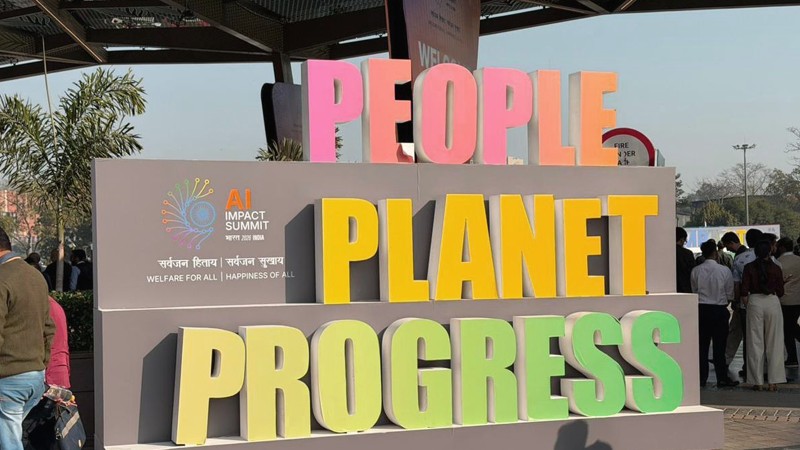
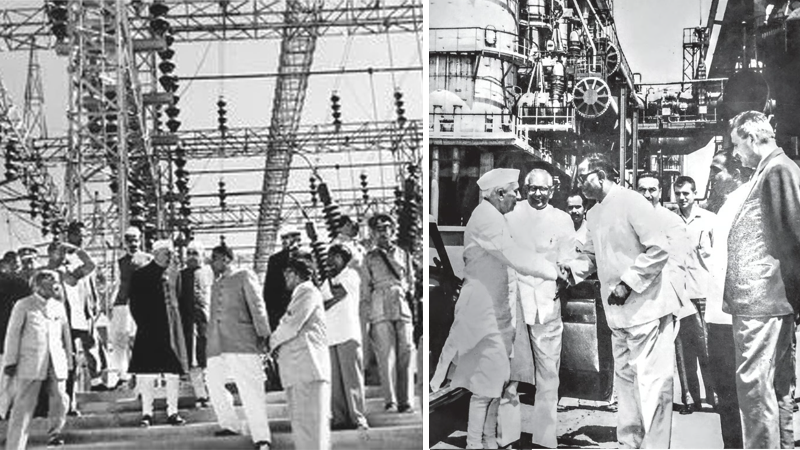
BRICS Summit in Delhi: India’s Opportunity to Shape a New Global Order

Editorial
When Rivers Rise and Glaciers Tremble: India’s Dual Flood Challenge
The Ganga crossing warning levels in Varanasi and several districts of Bihar this week is more than a seasonal inconvenience. It is a sharp reminder that India’s flood vulnerability is no longer confined to the familiar monsoon script. Downstream of a catastrophe that has already claimed over 1,250 lives in Nepal and left thousands missing, Indian authorities are simultaneously watching rising river gauges and reviewing preparedness for glacial lake outburst floods (GLOFs) and avalanches across the Himalayan states. The convergence of these threats demands more than routine alerts; it demands a fundamental shift in how the country anticipates and manages water-related disasters.
The Nepal disaster, triggered by a massive ice-rock avalanche near the Tibet border, has exposed the fragility of the high Himalayas under a warming climate. Glacial lakes are expanding, permafrost is thawing, and the potential for sudden, catastrophic outbursts has grown. India’s northern states share this fragile geography. A GLOF in the upper reaches of the Ganga, Brahmaputra or Indus basins could send walls of water and debris racing toward densely populated plains with little warning. The current review ordered by the Union Home Secretary is therefore both necessary and overdue. Early-warning systems, real-time monitoring of glacial lakes, and pre-positioned evacuation plans can no longer remain paper exercises.
Yet technology alone will not suffice. The Ganga’s rising levels in Varanasi and Bihar highlight downstream consequences of upstream events and the limits of existing embankments and drainage. Encroachment on floodplains, inadequate maintenance of drainage channels, and delayed silt management continue to amplify risk. Effective response requires seamless coordination between the Centre, states, and local administrations, along with transparent communication that reaches the most vulnerable communities first.
India has made progress in satellite-based monitoring and flood forecasting. The challenge now is to convert data into decisive, timely action on the ground. Investing in nature-based solutions—restoring wetlands, protecting catchment forests, and regulating construction in high-risk zones—must accompany engineering measures. Equally important is sustained community preparedness: regular drills, accessible shelters, and livelihood support for those who live with the river’s annual rhythm.
The Nepal tragedy has made the stakes brutally clear. Climate change is accelerating the frequency and intensity of extreme events in the Himalayas. India’s response must match that urgency—with better science, stronger institutions, and a willingness to prioritise long-term resilience over short-term convenience. The rivers are rising. The glaciers are restless. Preparedness cannot wait for the next disaster to prove its necessity.
When the State Abdicates Order: The Camac Street Attack and the Price of Revenge Politics
The ransacking of Trinamool Congress leader Abhishek Banerjee’s Camac Street office in Kolkata by armed men is not merely another episode in West Bengal’s toxic political theatre. It is a stark indictment of the state government’s failure to discharge its most basic constitutional duty: the maintenance of law and order. In a democracy, the government of the day cannot selectively protect some spaces while allowing others to be violated. When it does, governance itself begins to look like organised vendetta.
Law and order is a state subject. The police, the administration, and the political leadership that controls them are answerable for every act of targeted violence that occurs under their watch. That an office belonging to the ruling party’s national general secretary could be stormed, vandalised and looted raises uncomfortable questions. Either the state apparatus is so compromised that it cannot protect even its own leaders, or it has grown so accustomed to political muscle that it no longer distinguishes between governance and partisan warfare. Both explanations are damning.
TMC’s immediate reflex was to blame BJP workers. The BJP, predictably, denied involvement. What is missing from this familiar exchange of accusations is any credible demonstration that the state government is treating the incident as a serious breakdown of public order rather than a political opportunity. When the ruling dispensation responds to violence with counter-allegations instead of transparent investigation and swift accountability, it signals that power is being used not to uphold the rule of law but to settle scores.
Revenge as a mode of politics is corrosive. It replaces institutions with intimidation, procedure with performance, and public trust with fear. Citizens begin to believe that protection is contingent on political loyalty, that the police act as extensions of the party in power, and that the law is an instrument of selective punishment rather than impartial justice. Such a climate does not strengthen democracy; it hollows it out.
West Bengal has long suffered from a culture of political violence that successive governments have failed to dismantle. The latest attack on a high-profile office is a reminder that this culture has not been confronted; it has been normalised. A government that cannot, or will not, ensure that political offices remain free from armed intrusion has forfeited the moral authority to speak of democratic values.
True governance is measured not by the ferocity of its rhetoric against opponents, but by its capacity to protect every citizen’s right to political organisation without fear. When the state appears to play, or tolerate, revengeful acts, it ceases to govern and begins to rule through intimidation. That is not democracy. It is the slow corrosion of the Republic itself.
 SAS Kirmani
Most Popular

Speed of light: The cosmic limit that shapes our universe
September 17, 2025
Beats did announce something, after all
September 17, 2025