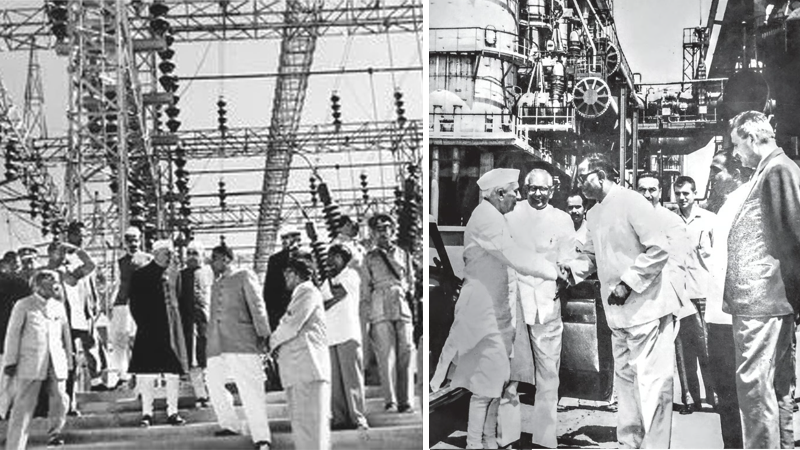
From 'Garibi Hatao' to Poverty Reduction: India's Long Journey Towards Economic Dignity

Editorial
Securing India’s Green Future: Critical Minerals and Energy Storage Push
The Union Cabinet’s recent approval of a ₹2,814 crore scheme to develop domestic processing facilities for critical minerals such as lithium and nickel marks a decisive step in India’s pursuit of self-reliance in the clean energy transition. Coupled with a separate large-scale support scheme for grid-scale energy storage capacity, these decisions reflect a clear understanding that the future of electric mobility, renewable energy, and industrial competitiveness hinges on control over key raw materials and the ability to store intermittent power.
Lithium and nickel are indispensable for lithium-ion batteries that power electric vehicles and store renewable energy. At present, India remains heavily dependent on imports for both the minerals and their processed forms. This dependence exposes the country to supply chain disruptions, price volatility, and geopolitical risks, particularly as global demand for these materials surges. By creating dedicated processing capacity at home, the government aims to reduce this vulnerability and build a stronger foundation for the domestic battery manufacturing ecosystem.
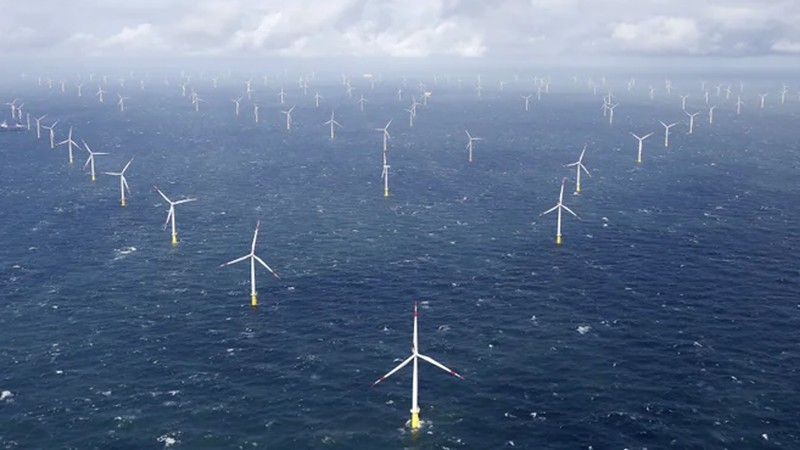
The parallel push for energy storage is equally significant. As India rapidly expands its solar and wind capacity, the challenge of intermittency becomes more pronounced. Grid-scale storage is essential to ensure reliable power supply, reduce curtailment of renewable energy, and support the stability of an increasingly green grid. A well-designed support scheme can accelerate the deployment of battery energy storage systems and other storage technologies, making renewable energy more dependable and commercially viable.
These initiatives align with the broader Atmanirbhar Bharat vision and India’s climate commitments. They also complement ongoing efforts under the Production Linked Incentive schemes for advanced chemistry cells and electric vehicles. However, success will depend on effective implementation. Speedy allocation of funds, transparent selection of projects, coordination with state governments, and the development of supporting infrastructure will be critical. Equally important is the need to address environmental and social concerns associated with mineral processing, ensuring that the green transition remains sustainable in the true sense.
If executed well, these schemes can help India move from being a large consumer of clean energy technologies to a competitive manufacturer and innovator in the global value chain. The Cabinet’s decisions send a strong signal that India is serious about securing the building blocks of its energy future. The real test now lies in translating policy intent into tangible capacity on the ground.
Israel’s Political Crossroads: Herzog’s Decision and the Path Ahead
MIsrael finds itself once again at a delicate political juncture. President Isaac Herzog is holding consultations with party leaders and is expected to decide soon on which candidate will receive the first mandate to form the next government following the recent elections. The outcome of this decision will shape not only Israel’s domestic politics but also its regional posture at a time of significant security and diplomatic challenges.
The consultations come against the backdrop of a fragmented political landscape. No single party or clear bloc appears to have secured an outright and stable majority, forcing Herzog to carefully assess which leader stands the best chance of assembling a functioning coalition. Reports indicate that Benjamin Netanyahu’s main rival has received formal support from a majority of lawmakers, yet the path to a durable government remains uncertain. In Israel’s parliamentary system, the President’s role is largely ceremonial but carries real weight in moments of deadlock. Herzog’s choice will signal which political direction the country is more likely to take in the coming months.
The stakes are high. Israel continues to navigate complex security threats, strained relations with parts of the international community, and the ongoing consequences of regional conflicts. A stable government is essential for coherent decision-making on military, diplomatic, and economic matters. Prolonged uncertainty or a fragile coalition could weaken Israel’s ability to respond effectively to external pressures and internal divisions.
At the same time, the process itself reflects the resilience of Israeli democracy. Despite intense political polarisation, the constitutional mechanism for transferring or renewing power remains intact. Herzog’s consultations underscore the importance of institutional continuity even when electoral outcomes produce no clear winner. The eventual mandate, whether given to Netanyahu or a rival, will test the ability of Israel’s political class to prioritise governance over partisan rivalry.
For the region and the wider world, the formation of Israel’s next government will be closely watched. Policy continuity or change on issues such as relations with the United States, approaches to Gaza and the West Bank, and engagement with Arab states will depend heavily on the coalition that emerges. Herzog’s forthcoming decision is therefore more than a procedural step; it is a pivotal moment that will influence Israel’s trajectory in a turbulent period. The coming days will reveal whether the country’s leaders can translate electoral results into stable and responsible governance.

 SAS Kirmani
Most Popular

Speed of light: The cosmic limit that shapes our universe
September 17, 2025
Beats did announce something, after all
September 17, 2025