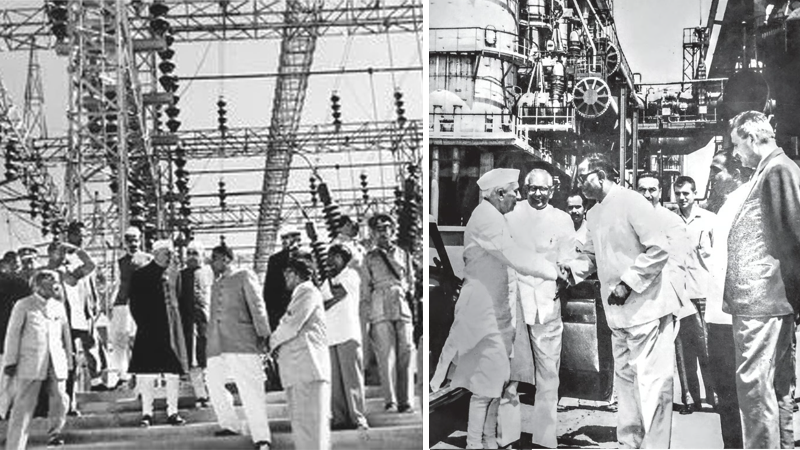
Meadows Foundation Trust Honours Excellence, Service and Human Endeavour

Editorial
Kerala’s Progressive Steps: Balancing Environmental Stewardship and Humanitarian Concerns
In a commendable move towards sustainable development, the Kerala government has launched a reward-based e-waste collection drive aimed at curbing toxic pollution. This initiative comes at a critical juncture when electronic waste has emerged as one of the fastest-growing environmental challenges globally. By incentivizing citizens to deposit discarded gadgets, batteries, and appliances at designated centers, the state is not only promoting responsible disposal but also fostering a culture of circular economy. Participants stand to earn rewards, turning what was once a burdensome civic duty into a participatory and economically motivating exercise.
E-waste contains hazardous substances like lead, mercury, and cadmium that leach into soil and water if dumped irresponsibly. Kerala’s drive addresses this by creating a structured collection network, likely partnering with recyclers to extract valuable materials such as gold, silver, and copper. This not only mitigates health risks—respiratory issues, neurological damage, and contaminated groundwater—but also generates employment in the green sector. In a state known for its high literacy and environmental consciousness, this program could serve as a model for other regions. Success will depend on robust awareness campaigns, convenient collection points, and strict monitoring to prevent misuse. If scaled effectively, it could significantly reduce the burden on landfills and support India’s broader goals under the e-Waste Management Rules.
Parallel to environmental action, Kerala continues to navigate complex humanitarian issues, as seen in the latest updates on the Nimisha Priya case. The Kerala nurse, sentenced to death in Yemen for an act of self-defense amid alleged exploitation, has received a temporary reprieve with her execution postponed. This development brings cautious relief to her family and supporters across India. The state government, along with the Centre, has been actively engaged in diplomatic efforts for her release or pardon, highlighting the vulnerabilities faced by Indian migrant workers, particularly women in conflict zones.
The case underscores broader challenges in protecting citizens abroad. It raises questions about labor migration policies, pre-departure training, and international advocacy. Kerala’s proactive role—through petitions, negotiations, and public campaigns—reflects its deep commitment to its diaspora, a vital part of the state’s economy. While the postponement is welcome, sustained pressure through legal and diplomatic channels remains essential. This episode also calls for stronger bilateral agreements with host countries to safeguard workers’ rights.
Together, these initiatives paint Kerala as a forward-thinking state that tackles both ecological sustainability and social justice with urgency. The e-waste drive exemplifies proactive governance in the face of climate and pollution crises, while the Nimisha Priya advocacy demonstrates empathy and persistence in human rights matters. However, challenges persist: ensuring the e-waste program’s long-term viability without bureaucratic hurdles and achieving a permanent resolution for cases like Priya’s require unwavering political will and public participation.
As Kerala leads by example, other states should draw lessons. True progress lies in integrating environmental responsibility with compassionate global citizenship. In an interconnected world, such balanced approaches are not just desirable but imperative for a resilient future.
Nitin Gadkari’s Ethanol Push: National Interest Above All
Union Minister Nitin Gadkari has once again demonstrated his steadfast commitment to India’s energy security by vigorously advocating for higher ethanol blending in fuels. In recent interviews, the veteran leader has dismissed criticism of the E20 programme as a “sponsored campaign” orchestrated by lobbies benefiting from massive fossil fuel imports. His focus remains clear: reducing India’s dependence on imported crude oil, curbing vehicular pollution, and boosting farmer incomes through a thriving ethanol economy.
Gadkari’s vision is rooted in pragmatism and long-term strategic thinking. India imports a significant portion of its petroleum needs, draining foreign exchange reserves and exposing the economy to global price volatility. Ethanol blending, primarily derived from sugarcane and other agricultural feedstocks, offers a domestic alternative. By increasing the blend percentage, the government aims to save billions in import bills while creating a robust market for surplus sugar and grains. This aligns perfectly with the Atmanirbhar Bharat initiative, transforming rural distress into opportunity. Farmers gain better remuneration, sugar mills achieve viability, and the transport sector moves towards cleaner fuels.
The minister has repeatedly challenged critics to produce evidence of vehicle damage from E20 fuel. Extensive testing by automotive research bodies and manufacturers preceded the rollout, he asserts. Claims of engine corrosion or reduced efficiency appear anecdotal at best, often amplified through coordinated social media efforts. Gadkari has transparently addressed conflict-of-interest allegations, stating his family’s negligible stake (around 0.07%) in ethanol production yields no meaningful personal gain. “I gain nothing,” he declared, emphasizing that his advocacy stems from a policy perspective honed over years of public service, not private benefit.
Critics, however, raise legitimate points that deserve attention. Concerns about food security—diverting sugarcane or food crops to fuel—must be managed through second-generation ethanol from agricultural waste, bamboo, and non-food biomass. Water usage in sugarcane cultivation in water-stressed regions also warrants careful regulation. Infrastructure for blending and distribution needs expansion to ensure seamless adoption. Automobile manufacturers should accelerate the production of compatible flex-fuel vehicles to future-proof the fleet.
Gadkari’s robust defence highlights a deeper malaise in policy discourse: the tendency to personalize and politicize initiatives that serve the national good. Vested interests in the fossil fuel ecosystem naturally resist change. Yet, the data supports the ethanol pathway—reduced emissions, lower pollution-related healthcare costs, and energy diversification. Complementary efforts in biofuels, biodiesel, and green hydrogen will further strengthen the strategy.
As India aspires to net-zero ambitions and energy independence, leaders like Gadkari play a pivotal role in navigating short-term disruptions for long-term gains. Sustained investment in R&D, farmer support, and transparent implementation will silence doubters. The ethanol blending programme is not merely about fuel; it represents a bold reimagining of India’s energy landscape—one where agriculture, industry, and environment converge for sustainable prosperity. Gadkari’s unapologetic stance reminds us that true national interest demands courage against orchestrated noise.

 SAS Kirmani
Most Popular

Speed of light: The cosmic limit that shapes our universe
September 17, 2025
Beats did announce something, after all
September 17, 2025