Meadows Foundation Trust Honours Excellence, Service and Human Endeavour

Editorial
Empowering the Future: Women Lead NEET UG 2026 Amid Shadows of Doubt
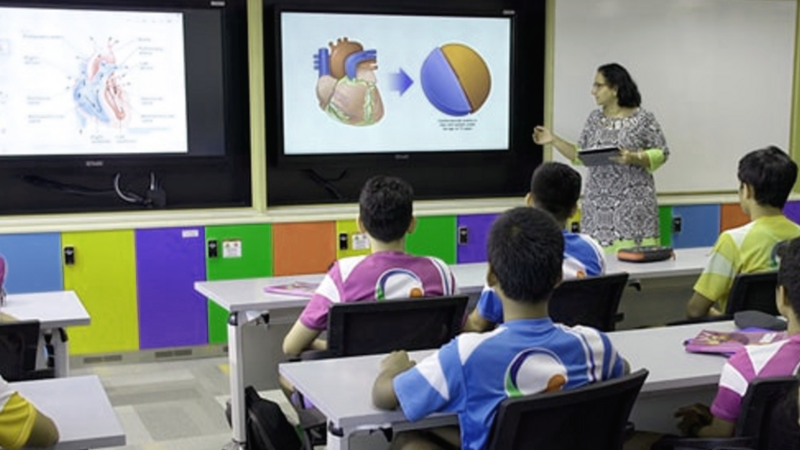
The declaration of NEET UG 2026 results marks a historic milestone in Indian medical education. With over 58% of the 11.21 lakh qualified candidates being women, the exam has delivered more than just ranks and scores—it has signalled a profound gender shift in one of the country’s most competitive fields. This achievement, however, unfolds against the backdrop of the massive 2026 NEET paper leak controversy that rocked public trust earlier this year.
The May 2026 examination was cancelled after evidence of a large-scale leak surfaced, leading to CBI investigations, arrests of paper setters and coaching insiders, and a re-examination. The scandal exposed vulnerabilities in the National Testing Agency’s processes, eroding confidence among millions of aspirants. Protests erupted nationwide, highlighting systemic failures that disproportionately burden sincere students. In this charged atmosphere, the strong performance of women candidates stands as a beacon of resilience and merit.
For decades, medicine was perceived as a male-dominated domain. This year’s reversal underscores a quiet revolution driven by improved access to digital resources, scholarships, and shifting family attitudes. Young women from diverse backgrounds have excelled despite the leak-induced delays, re-exams, and heightened anxiety. Their success rate reflects determination amid intense competition and societal challenges.
This gender pivot carries immense promise for India’s healthcare. Women doctors often excel in empathy-driven areas like maternal health, paediatrics, and community medicine. A balanced workforce can improve outcomes and inspire future generations. Yet, the paper leak controversy serves as a stark reminder: entry is only the first hurdle. Retention remains difficult due to long hours, safety concerns in rural postings, and inadequate support systems.
Compounding these issues is the ongoing hunger strike by climate activist and educator Sonam Wangchuk at Jantar Mantar. Now on its 19th day (as of July 17), Wangchuk’s fast—joined by students and linked to the Cockroach Janata Party protests—demands accountability for exam irregularities, including NEET, and broader education reforms alongside Ladakh’s concerns. His protest underscores public frustration with opaque systems and calls for the Education Minister’s resignation. It amplifies student voices demanding transparency and justice in the wake of the leak scandal.
While celebrating women’s dominance in qualifiers, policymakers must act decisively. Strengthen NTA cybersecurity, decentralize aspects of testing, and implement robust anti-leak mechanisms. Institutions should prioritize gender-sensitive policies: safe hostels, mentorship, flexible schedules, and incentives for rural service. Addressing Wangchuk’s call for systemic overhaul is equally vital to restore faith.
This 58% milestone is a testament to India’s evolving aspirations. It reaffirms that talent knows no gender when opportunities are democratized. As these young women enter medical colleges, they carry hopes for a more inclusive nation. Sustaining this momentum—while tackling leaks and protests—will fortify both healthcare and democratic trust on the path to Viksit Bharat.
Sonam Wangchuk’s Resolve: Hunger Strike and the Call for Accountability
As Sonam Wangchuk’s hunger strike at Jantar Mantar enters its 19th day on July 17, 2026, it has transcended a personal act of protest into a national conversation on education, environment, and governance. The Ladakh-based climate activist and educator, joined by students and aligned with the Cockroach Janata Party (CJP) demonstrations, continues his fast demanding accountability for examination irregularities—including the NEET UG 2026 paper leak—and greater constitutional safeguards for Ladakh. His unwavering stance, even at personal health risk, highlights the frustration of many citizens with systemic failures.
Wangchuk’s protest is rooted in two deeply interconnected causes. On education, he echoes widespread outrage over the NEET scandal that led to the cancellation of the May exam, CBI probes, and arrests. Students across India endured anxiety, delays, and eroded trust in a process meant to reward merit. By amplifying these voices at Jantar Mantar, Wangchuk underscores that examination leaks are not isolated incidents but symptoms of deeper rot—opaque processes, coaching mafia influence, and inadequate oversight. His call for the Education Minister’s resignation resonates with youth demanding transparency and reform.
Simultaneously, Wangchuk draws attention to Ladakh’s long-pending demands for Sixth Schedule protections, environmental safeguards in the fragile Himalayan ecosystem, and cultural preservation. As a border region critical to national security, Ladakh’s neglect, he argues, carries strategic implications. The hunger strike, now in its third week, has drawn support from students, farmers, and civil society, turning Jantar Mantar into a symbolic arena for peaceful resistance.
Bollywood icon Aamir Khan’s recent comments have added significant weight to the discourse. While clarifying that the character in 3 Idiots was not inspired by Wangchuk, Aamir expressed hope that the hunger strike “ends well,” subtly acknowledging the activist’s commitment to education and societal issues. His intervention has amplified media attention, bridging elite and grassroots narratives and prompting debates on celebrity responsibility in public causes. It also revives memories of 3 Idiots critique of rote learning—issues that remain painfully relevant amid today’s exam controversies.
Critics may question the timing or methods, but Wangchuk’s approach embodies Gandhian principles of non-violence and moral force. At 59, fasting amid Delhi’s heat demonstrates extraordinary commitment. However, prolonged hunger strikes raise concerns about health and the limits of protest. The government must respond with dialogue rather than dismissal—addressing NEET reforms through stronger cybersecurity, decentralized testing options, and swift justice in leak cases, while engaging constructively on Ladakh.
Wangchuk’s strike is a mirror to India’s democratic soul. It forces reflection on whether institutions serve the people or perpetuate inequities. As protests and debates intensify, authorities should seize this moment for course correction. Genuine reforms in education and responsive federalism for regions like Ladakh would honour the spirit of this fast far more than any political posturing. The nation watches, hoping wisdom prevails over inertia. True resolution lies not in ending the strike forcibly, but in fulfilling the justice it seeks.
 SAS Kirmani
Most Popular

Speed of light: The cosmic limit that shapes our universe
September 17, 2025
Beats did announce something, after all
September 17, 2025