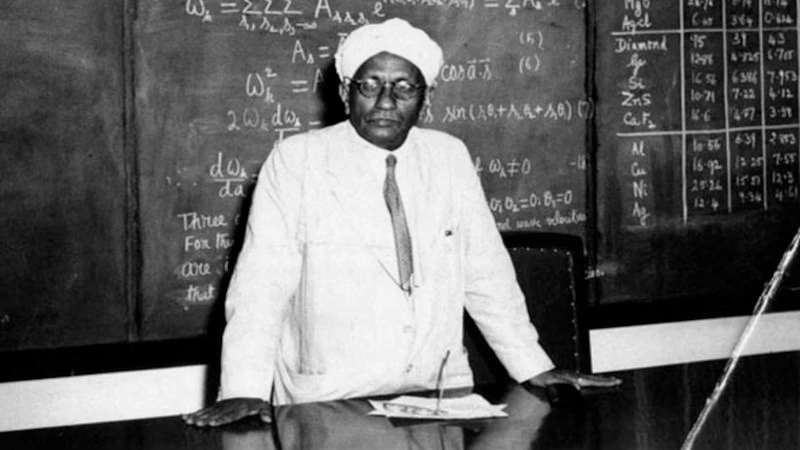
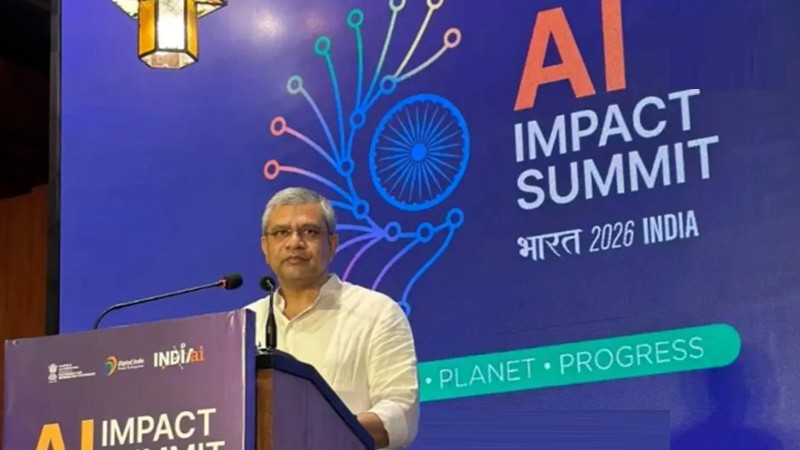
Meadows Foundation Trust Honours Excellence, Service and Human Endeavour

Editorial
The Perilous Price of Geopolitical Fragility: Oil at $114 and the Hormuz Reckoning
The recent surge in oil prices — jumping nearly 5% to hover near $114 per barrel — serves as a stark reminder of the world economy’s dangerous dependence on fragile maritime chokepoints and volatile geopolitics. The immediate trigger lies in renewed Iran-related tensions in the Strait of Hormuz, through which roughly one-fifth of global oil and LNG supplies traditionally flow. Reports of actions against ships, threats to oil hubs, and tit-for-tat military posturing have reignited fears of prolonged supply disruptions, sending shockwaves through energy markets.
This is not merely another spike in commodity prices. The 2026 Iran conflict, now stretching into its third month, has already produced the largest supply disruption in oil market history. Brent crude has climbed dramatically from pre-conflict levels around $70-75, at times testing $120. Even partial blockades, naval escorts, seizures of vessels, and insurance cancellations have stranded tankers and forced rerouting, driving up costs for jet fuel, diesel, and everyday goods. For importing nations like India, which relies heavily on Gulf crude, the implications are immediate: higher inflation, strained current accounts, elevated fuel subsidies, and risks to economic growth.
The Strait of Hormuz crisis exposes deep structural vulnerabilities. Decades of underinvestment in alternative pipelines, diversified sourcing, and strategic reserves have left the global system exposed. While OPEC+ attempts to ramp up output and the U.S. has tapped strategic reserves, these measures offer only temporary relief. Markets are pricing in uncertainty: ceasefire talks between the U.S. and Iran remain stalled, with mutual accusations of violations and maximalist demands on both sides. President Trump’s warnings and naval operations underscore the high stakes, but military escalation risks further closures rather than resolution.
Beyond immediate pain at the pump, sustained high prices threaten broader stability. Developing economies face imported inflation and slower recovery. Advanced nations risk stagflationary pressures. Energy-intensive industries — aviation, shipping, manufacturing — absorb cascading costs passed to consumers. Long-term, this volatility accelerates the push toward renewables, yet the transition remains uneven and insufficient to replace Gulf supplies quickly.
The path forward demands urgent diplomacy to secure safe passage through the Strait, alongside pragmatic global strategies: accelerated diversification of energy sources, enhanced international maritime security cooperation, and accelerated investment in non-OPEC production and storage. Nations like India must prioritize strategic petroleum reserves and long-term contracts with stable suppliers.
Ultimately, the $114 barrel is more than a number — it is a warning. In an interconnected world, regional conflicts in critical waterways exact a global toll. Leaders must choose de-escalation and cooperation over brinkmanship, lest energy security becomes the casualty that drags the entire economy into deeper turmoil. Failure to stabilize this flashpoint will ensure that today’s surge becomes tomorrow’s chronic crisis.
Israel’s Theatre of Dissent: The Symbolic Handcuffing of “Baby Netanyahu”
The image of angry Israeli demonstrators symbolically handcuffing a “Baby Netanyahu” effigy captures more than theatrical protest—it distills the deepening frustration, exhaustion, and political fragmentation gripping Israel in mid-2026. As thousands take to the streets in Tel Aviv’s Habima Square, Jerusalem’s Paris Square, and other cities, the message is visceral: many citizens view their long-serving prime minister as infantilised by power, shielded from accountability, and presiding over a nation locked in perpetual crisis.
These dramatic street actions occur against a backdrop of multi-front war fatigue, domestic division, and an impending electoral reckoning. Protests have become weekly rituals, driven by discontent over the handling of conflicts with Iran, Hezbollah, and Gaza, the slow pace of hostage deals, judicial overhaul attempts, and perceived corruption. Police have responded with water cannons and detentions in several instances, yet turnout remains steady, reflecting broad societal fissures rather than fringe discontent.
At the heart of the anger lies Benjamin Netanyahu’s remarkable political resilience. Israel’s longest-serving leader faces ongoing corruption trials, accusations of prioritising political survival over national interest, and criticism for fracturing alliances while deepening societal rifts. The “Baby Netanyahu” symbolism is particularly cutting: it mocks a once-dominant statesman as petulant and protected, reliant on coalition partners from the far-right whose demands have alienated centrists and moderates. With Knesset dissolution bills advancing and elections likely by late 2026 (possibly earlier), the streets have become a pressure cooker ahead of the vote.
Critics argue the protests highlight healthy democratic vitality in a nation at war. Supporters of the government counter that such demonstrations undermine morale, embolden adversaries, and distract from existential security threats. Both sides have merit: Israel faces genuine external dangers, yet sustained internal distrust erodes the social cohesion essential for long-term resilience. Economic strains from prolonged conflict, reservist burdens, and international isolation compound the domestic turmoil.
The coming elections will test whether public anger translates into decisive change. Opposition figures like Naftali Bennett and Yair Lapid are attempting to forge broader alliances, while Netanyahu’s coalition clings to power through ideological loyalty. The “handcuffing” effigy symbolises a desire not merely for resignation, but for accountability—a reckoning with leadership failures dating back to the intelligence and preparedness lapses of October 7, 2023, and their cascading consequences.
Israel stands at a crossroads. Dramatic protests alone cannot resolve deep structural challenges: security dilemmas, demographic tensions, judicial legitimacy, and the need for sustainable peace strategies. Yet they serve as a loud alarm. Democracy thrives on dissent, but prolonged polarisation risks paralysis. As symbolic handcuffs gleam under protest lights, the real test lies in whether Israelis can translate street anger into constructive electoral choice—choosing leaders capable of uniting a fractured society while safeguarding its future in a hostile region.
 SAS Kirmani
Most Popular

Speed of light: The cosmic limit that shapes our universe
September 17, 2025
Beats did announce something, after all
September 17, 2025