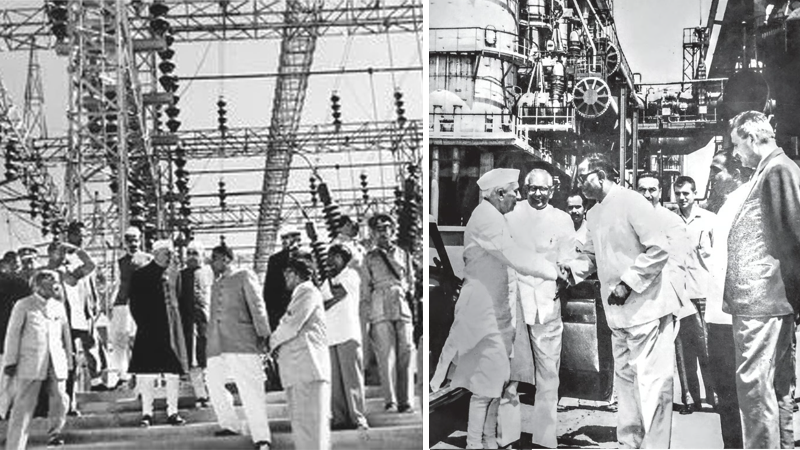
Indira Gandhi: The Iron Lady of India — Hard Work, Farsightedness and an Unyielding Will

Editorial
Transparency Must Be Non-Negotiable
The Supreme Court’s decision to seek the Election Commission’s response to 48 detailed interrogatories filed by INDIA bloc leaders on the Special Intensive Revision of electoral rolls is a welcome assertion of judicial oversight over a process that has stirred deep public anxiety. Nearly 75 lakh names have now been added in draft Special Summary Revision lists across 13 states and Union Territories, a partial correction after the large-scale deletions that marked the earlier SIR exercise. Yet numbers alone cannot settle the deeper questions of process, accountability and trust.
Clean electoral rolls are essential for free and fair elections. The removal of deceased, shifted or duplicate entries is a legitimate administrative duty. The problem arises when the scale of deletions, the speed of the exercise, and the alleged lack of transparent decision-making create the perception that eligible voters were systematically excluded. Opposition leaders have alleged that the nationwide SIR was driven more by unilateral decisions than by collective institutional deliberation. They have asked pointed questions about meeting records, file notings, written dissent, if any, and the precise legal and factual basis on which the Commission claimed unanimous approval of key orders. These are not frivolous fishing expeditions; they go to the heart of how a constitutional body is expected to function.
The Election Commission’s independence is a cornerstone of India’s democratic architecture. That independence is strengthened, not weakened, by openness. When the Commission asserts that major decisions were taken unanimously, the public is entitled to see the contemporaneous record that supports the claim. When large numbers of names disappear from the rolls and later partially reappear through summary revision, citizens deserve a clear explanation of both the deletions and the subsequent restorations. Opacity only fuels suspicion, regardless of the Commission’s actual intent.
The Court’s measured approach — seeking the Commission’s reply before deciding on the interrogatories — strikes the right balance. It neither pre-judges the Commission nor dismisses genuine concerns raised by elected representatives. Judicial scrutiny of this kind reinforces rather than undermines institutional credibility. Democracy does not thrive on faith alone; it requires verifiable processes that can withstand examination.
As India moves towards another cycle of state elections, the integrity of the electoral rolls must remain beyond reasonable doubt. The addition of nearly 75 lakh names is a positive step, but it cannot paper over the larger demand for transparency. The Election Commission should respond fully and candidly. The Supreme Court, for its part, must continue to ensure that the right to vote — the most basic democratic entitlement — is not diminished by administrative opacity. Only then can public confidence in the electoral process be fully restored.
Justice Cannot Be One-Sided
Bilkis Bano’s statement of pain, shock and disbelief after the Supreme Court suspended the life sentences of two convicts in the 2002 Gujarat riots case and granted them bail cuts to the heart of a deeper crisis of confidence. The survivor, who was gang-raped and lost multiple family members including her infant daughter, has said she was neither informed nor heard before the October 28 order. She has vowed to challenge it. That her family has since left Gujarat out of fear only underscores how fragile the sense of security remains for those who have already endured the unimaginable.
The Court noted that the two men had spent more than 17 years in prison and that one suffers from a severe handicap. Prolonged incarceration and individual circumstances are legitimate considerations when deciding suspension of sentence pending appeal. Yet the gravity of the crimes — gang rape of a pregnant woman and the murder of her family during communal violence — cannot be treated as secondary. When the victim learns of such an order only through the media, the process itself appears incomplete. Natural justice requires that those most affected by a decision have an opportunity to be heard, particularly in a case that has already seen multiple turns, including the earlier quashing of remission orders.
This is not an argument against the grant of bail in appropriate cases. It is a plea for procedural fairness and institutional sensitivity. Survivors of sexual violence and communal massacres carry lifelong trauma. Releasing convicts without ensuring the victim’s voice is heard risks reopening wounds and reinforcing the perception that the system prioritises the rights of the convicted over the dignity of the survivor. Bilkis Bano’s decision to leave Gujarat is a tragic reminder that legal outcomes do not automatically translate into safety or closure.
The Supreme Court has, in the past, played a crucial role in upholding the rule of law in this very case. That role now demands equal attentiveness to the survivor’s position. A democracy is judged not only by how it treats the accused, but by whether it protects those who have already paid the heaviest price. Bilkis Bano’s fight continues. The system must ensure that justice is not only done, but is seen to be done with empathy and transparency.

 SAS Kirmani
Most Popular

Speed of light: The cosmic limit that shapes our universe
September 17, 2025
Beats did announce something, after all
September 17, 2025