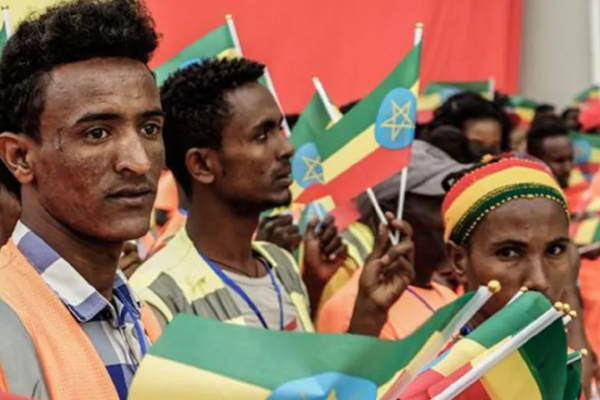
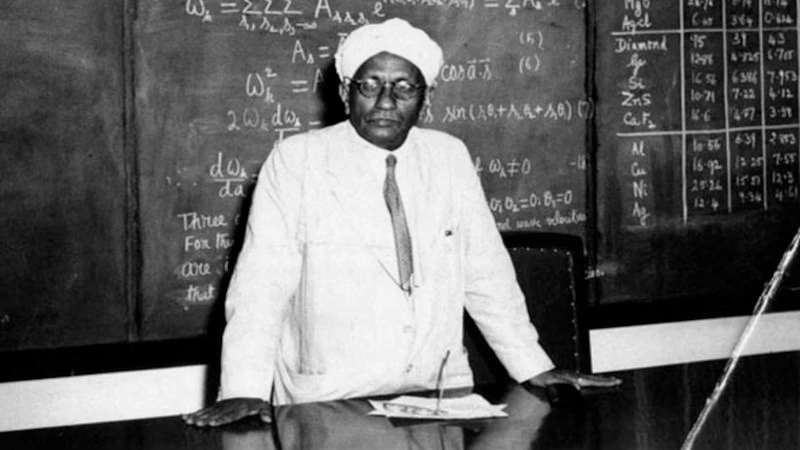
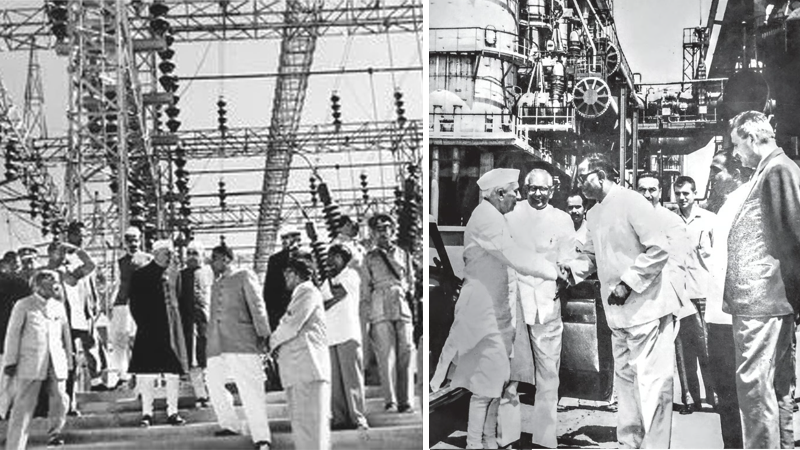
Meadows Foundation Trust Honours Excellence, Service and Human Endeavour

Editorial
The High Stakes of Trump’s Economic Offensive Against Iran
President Donald Trump’s latest escalation—an all-out campaign of “economic warfare” aimed at isolating Iran and collapsing its regime—marks a pivotal and perilous shift in America’s long-running confrontation with Tehran. Washington is now pressing allies and even China to join this effort, while the United Arab Emirates has already imposed a total trade embargo. The rhetoric is sweeping: any country offering Iran a financial or commercial “lifeline” faces “tremendous economic consequences.”
This approach is not without logic. Military options have proven costly and inconclusive. Nearly six months into the conflict, public fatigue at home and the approaching midterm elections demand results without further large-scale troop commitments or rising casualty figures. Economic pressure has historically been one of America’s most potent non-military tools. By targeting oil smuggling, swap lines, front companies and banking channels, the administration hopes to starve the Iranian government of the revenue that sustains both its domestic control and its regional ambitions.
The UAE’s abrupt decision to sever economic ties is significant. Dubai has long served as a critical commercial gateway for Iran. Closing that door tightens the noose. Yet the strategy’s success ultimately hinges on China, which purchases the overwhelming majority of Iran’s oil exports. Beijing has so far resisted secondary sanctions and continues to prioritise energy security and strategic autonomy. Forcing a choice on China risks turning a regional conflict into a broader test of U.S.-China relations at a moment when both sides still seek stable economic engagement.
History offers caution. Decades of sanctions have inflicted real pain on ordinary Iranians without delivering regime change. Tehran has repeatedly adapted through discounts, shadow fleets, and alternative payment networks. Overplaying the economic card could also rebound on global energy markets, raise prices for consumers worldwide, and strain relations with partners who maintain residual trade with Iran for pragmatic reasons.
True strategic success requires more than isolation. It demands a clear political endgame: credible pathways for de-escalation, regional security arrangements, and, eventually, a negotiated settlement that addresses core concerns on both sides. Economic pressure can create leverage, but it cannot by itself rewrite the political realities of the Middle East.
Washington’s allies and rivals alike are watching closely. The coming weeks will reveal whether this “economic D-Day” produces meaningful concessions—or merely deepens the cycle of confrontation.
Manipur’s Fragile Peace and the NRC Imperative
Manipur is once again on edge. Schools and colleges across the state remain shut, government offices face boycotts, and a delegation of community leaders has left for Delhi seeking urgent intervention. At the heart of the unrest is a demand that has gained widespread traction in the valley: the National Register of Citizens (NRC) must be updated before the Census and subsequent delimitation exercises.
This is not a sudden outburst. It is the latest expression of deep demographic anxieties that have simmered for years and exploded into violence since 2023. Many indigenous groups, particularly Meiteis and some Naga organisations, fear that unchecked migration from across the border has altered the state’s population balance. They argue that conducting a Census without first establishing a clear record of citizens risks legitimising illegal residents and permanently tilting political representation through delimitation. Their call for an NRC with 1951 as the base year is rooted in the desire to protect indigenous rights and reverse perceived demographic invasion.
Yet the issue is far more complex than a simple demand for documentation. Kuki-Zo groups have raised legitimate concerns that a 1951 cut-off could unfairly exclude hill communities with longer histories of mobility and settlement. Any exercise that appears one-sided risks reopening ethnic wounds that the state has only partially managed to contain. The prolonged displacement of thousands of people, the continued separation of communities, and the erosion of mutual trust make any major administrative exercise highly sensitive.
The Centre and the state government cannot afford to treat this as a routine law-and-order problem. Closing educational institutions may temporarily prevent escalation, but it also disrupts the lives of students and signals institutional paralysis. A delegation travelling to Delhi is a positive step, yet symbolic visits alone will not suffice. What is required is transparent dialogue involving all stakeholders, clear timelines, and a carefully designed process that balances the need for accurate citizenship records with constitutional safeguards against exclusion and discrimination.
Manipur’s people have paid a heavy price for years of conflict. Another cycle of protests, shutdowns and bitterness will only deepen the wounds. The demand for an updated NRC reflects genuine fears about identity and belonging. Addressing those fears through inclusive, fair and transparent mechanisms is essential if the state is to move beyond perpetual crisis and towards genuine reconciliation.
 SAS Kirmani
Most Popular

Speed of light: The cosmic limit that shapes our universe
September 17, 2025
Beats did announce something, after all
September 17, 2025