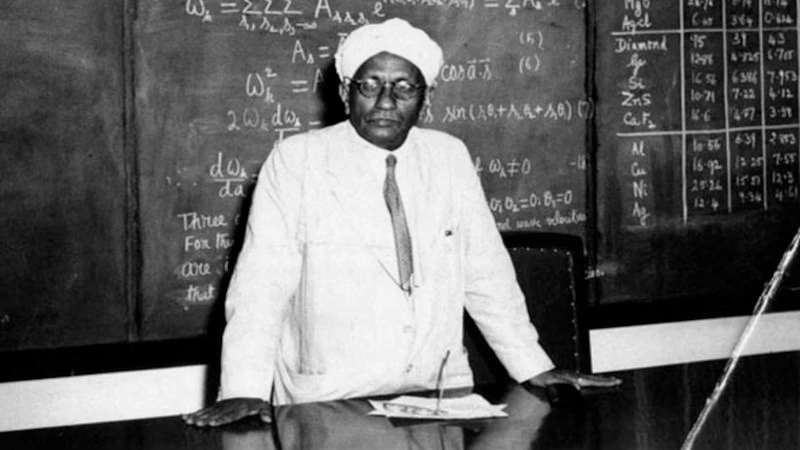
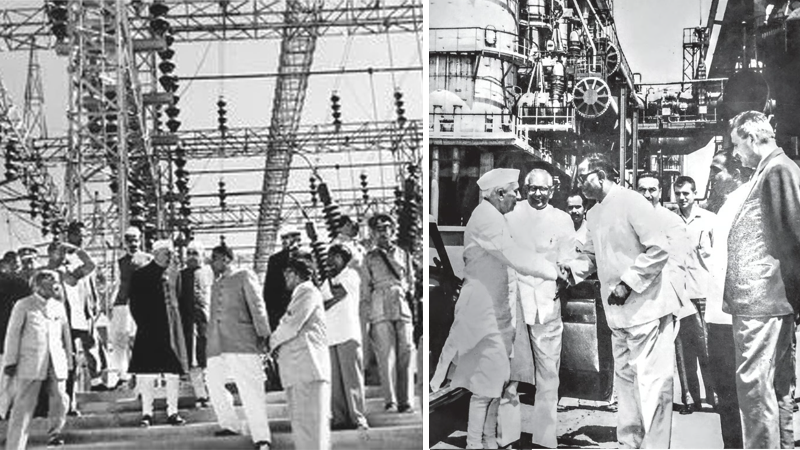
Meadows Foundation Trust Honours Excellence, Service and Human Endeavour

Editorial
Privilege Notice Against the Prime Minister – A Clash Between Accountability and Political Rhetoric
The Congress party’s decision to move a breach of privilege notice against Prime Minister Narendra Modi in the Lok Sabha marks yet another chapter in the ongoing tussle between the ruling dispensation and the Opposition. Filed by senior Congress leader KC Venugopal on April 21, 2026, the notice alleges that the Prime Minister, in his televised address to the nation on April 18, cast aspersions on the independence and integrity of elected Members of Parliament. The speech came a day after the Constitution (131st Amendment) Bill, 2026 – linked to advancing women’s reservation through delimitation – failed to secure the required two-thirds majority in the Lok Sabha.
In parliamentary democracy, privilege motions exist to safeguard the dignity and functioning of the House. They protect MPs from external interference or imputations of improper motives regarding their conduct inside Parliament. Venugopal’s notice argues that the Prime Minister’s direct references to Opposition voting patterns and attributed motives crossed this line, describing it as an “unethical and blatant abuse of power.” He contends that criticising MPs for performing their constitutional duty – voting against a bill they deemed insufficient or politically motivated – undermines the very foundation of legislative independence.
From one perspective, the Congress has a point worth examining. A national address by the Prime Minister carries the weight of the office. Using it to sharply criticise Opposition parties for “betraying” women’s aspirations or “snatching away” rights, while naming parties like Congress, DMK, TMC, and Samajwadi Party, risks blurring the line between governmental communication and partisan campaigning. When the head of government publicly questions the motives of legislators who exercised their vote in the House, it can appear to intimidate or delegitimise parliamentary dissent. Such rhetoric, if perceived as attributing collective bad faith, does invite scrutiny under established parliamentary conventions that frown upon imputing motives to members for their actions in the chamber.
Yet, context matters deeply. The bill in question aimed to strengthen women’s political representation, a goal few would openly oppose in principle. The Prime Minister expressed regret to the women of India and framed the defeat as a setback for Nari Shakti. His criticism stemmed from visible celebrations by some Opposition benches after the bill’s failure – scenes that were televised and widely interpreted as political schadenfreude. In a vibrant democracy, the executive has every right to explain its legislative setbacks to the public and hold accountable those who blocked a measure it championed. Suppressing such communication under the guise of privilege could stifle transparent governance. Prime Ministers have historically addressed the nation on matters of policy failure or national importance; interpreting every robust critique as a breach risks weaponising parliamentary rules for political point-scoring.
This episode also highlights a deeper malaise: the erosion of constructive debate. Constitutional amendments require broad consensus, not just numerical strength. The Opposition’s unity in defeating the bill reflects legitimate concerns – perhaps over timing, delimitation linkages, or implementation details. Instead of engaging on merits, the discourse quickly descended into accusations of betrayal. Similarly, the ruling side’s response through a national broadcast amplified the confrontation rather than bridging divides.
Ultimately, Speaker Om Birla must apply consistent parliamentary precedents. Privilege matters should not become routine tools for retaliation. If the notice proceeds, it could set a precedent that chills executive communication; if dismissed summarily, it might embolden unchecked rhetoric. Both sides would do well to reflect: the Prime Minister on the tone befitting the highest office when addressing legislative setbacks, and the Opposition on whether privilege motions genuinely defend democracy or merely distract from substantive policy disagreements.
Indian parliamentary democracy thrives when robust criticism flows both ways – from government to Opposition and vice versa – without descending into institutional sabotage. Turning every sharp exchange into a privilege battle only deepens public cynicism. The real test lies not in who wins this procedural skirmish, but whether Parliament can rise above it to deliver on long-pending reforms like effective women’s reservation.
Strait of Hormuz: A Dangerous Precedent
The reported blocking of an Indian vessel by Iranian authorities in the Strait of Hormuz is more than a bilateral maritime dispute—it is a direct challenge to the rules-based order that underpins global energy security. For a nation like India, which imports over 80% of its crude oil, much of it passing through this 21-mile-wide chokepoint, the incident sends a chilling signal.
While details remain fluid, any interference with commercial shipping in international waters cannot be dismissed as routine. The Strait of Hormuz facilitates nearly 20% of global oil consumption. A single act of harassment, if left unchallenged, emboldens further disruptions. Iran may frame this as a targeted response to sanctions or bilateral grievances, but the weaponisation of strategic waterways hurts all maritime nations—China, Japan, South Korea, and European states alike.
For India, the stakes are existential. New Delhi has carefully balanced its ties with Tehran—maintaining the Chabahar port project while navigating Western sanctions on Iranian oil. This incident tests that balancing act. India must demand immediate de-escalation and safe passage for its vessels, but also recognise that diplomatic comfort is no substitute for naval deterrence. The Indian Navy’s increased presence in the Gulf of Oman and Arabian Sea is welcome; however, real-time intelligence-sharing and multilateral escort protocols with the US, UAE, and Oman should become standard.
Iran, for its part, has little to gain from escalation. The country’s economy is already strangled by sanctions, and alienating a major Asian partner like India—a potential investor and diplomatic bridge—would be self-defeating. Yet, the regime’s history of seizing tankers during political standoffs suggests a troubling pattern.
 SAS Kirmani
Most Popular

Speed of light: The cosmic limit that shapes our universe
September 17, 2025
Beats did announce something, after all
September 17, 2025