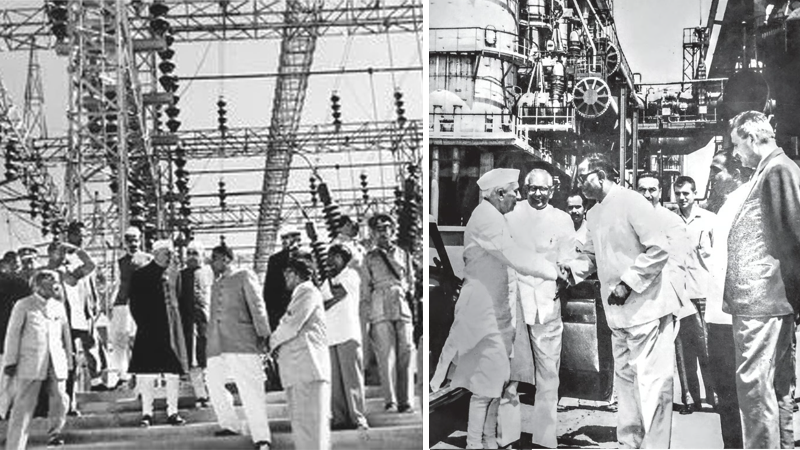
Meadows Foundation Trust Honours Excellence, Service and Human Endeavour

Editorial
The Sikkim Tunnel Tragedy – A Grim Reminder of Infrastructure Recklessness
The recovery of 20 bodies from the collapsed tunnel in Sikkim marks yet another heartbreaking chapter in India’s chequered record of Himalayan infrastructure projects. As rescue teams continue their grim search and the state government orders a Special Investigation Team (SIT) probe, questions swirl about accountability, safety protocols, and the human cost of rushed development in one of the world’s most geologically fragile regions.
This disaster did not occur in isolation. Tunnels and roads carved through the fragile ecology of the Eastern Himalayas have repeatedly exposed the perils of inadequate geological surveys, environmental clearances granted under pressure, and a development-at-all-costs mindset. Reports suggest the tunnel may have been part of broader connectivity initiatives aimed at strategic border areas. While national security and economic integration are valid imperatives, they cannot justify compromising worker safety or ecological stability. The loss of 20 lives – likely labourers and engineers – represents not just individual tragedies but a systemic failure that demands urgent introspection.
The SIT probe is a welcome first step. It must be thorough, independent, and time-bound, examining everything from contractor selection and material quality to adherence to disaster management guidelines. Past incidents, including landslides and flash floods triggered by construction activity, have shown how political expediency often overrides expert warnings. Transparency is non-negotiable. Families of the deceased deserve full disclosure, compensation, and closure, not bureaucratic delays or cover-ups.
Beyond immediate accountability, this tragedy calls for a policy reset. Himalayan infrastructure projects require mandatory, independent environmental and seismic impact assessments with teeth. Technology such as real-time monitoring, advanced geological modelling, and stricter enforcement of worker safety norms (including adequate insurance and emergency protocols) must become standard. Climate change is amplifying risks in these regions – melting glaciers, erratic rainfall, and unstable slopes are realities that outdated engineering approaches can no longer ignore.
The Sikkim collapse also highlights the human dimension. Migrant workers, often from distant states, bear the brunt of such projects with little voice or protection. Ensuring fair wages, proper training, and psychological support is as critical as concrete and steel.
As India pushes ambitious connectivity goals, tragedies like this erode public trust. True progress lies not in the number of tunnels built but in how responsibly they are constructed. The SIT investigation must deliver justice and, more importantly, catalyse reforms so that future projects honour lives rather than sacrifice them. The mountains have spoken. It is time policymakers listened.
The Soaring Price of the Iran Conflict – When Military Escalation Becomes Fiscal Folly
The U.S. Department of Defense’s estimate that the ongoing Iran conflict has already cost American taxpayers $37.5 billion is more than a staggering number—it is a sobering indictment of a policy that risks spiraling out of control. As U.S. strikes continue for the tenth consecutive night and shipping through the Strait of Hormuz faces severe disruptions, Washington must confront a harsh reality: prolonged military engagement in the Middle East exacts an enormous economic, strategic, and human toll.
This figure, disclosed amid congressional hearings, covers airstrikes, naval deployments, munitions, and support for regional allies. It does not yet account for long-term costs such as veteran care, reconstruction, or the ripple effects of higher global energy prices triggered by attacks on tankers and threats to oil infrastructure. Shipping disruptions in the Strait of Hormuz—one of the world’s most critical chokepoints carrying nearly 20% of global oil—have already sent crude prices surging, inflating costs at gas pumps worldwide and threatening economic stability from Europe to Asia.
The financial burden is only one dimension. Each strike deepens the cycle of retaliation. Iran’s responses, including attacks on U.S. positions and proxy actions, have resulted in American casualties and heightened regional instability. What began as targeted operations to counter perceived threats has evolved into a grinding conflict with no clear exit strategy. President Trump’s vow of retaliation signals determination, but history warns that decisive military power alone rarely resolves complex geopolitical rivalries.
Domestically, these expenditures strain budgets already stretched by domestic priorities. Every billion spent on overseas operations is a billion not invested in infrastructure, healthcare, or education. Critics rightly question whether this level of spending aligns with genuine national security needs or reflects mission creep in a volatile region.
Internationally, the war’s economic fallout undermines U.S. credibility. Allies burdened by higher energy costs grow weary, while adversaries exploit the chaos. Diplomatic off-ramps—however difficult—must be pursued aggressively. Sanctions, targeted pressure, and multilateral engagement offer more sustainable paths than indefinite aerial campaigns.
As the costs mount, Washington faces a pivotal choice. Continuing down this path risks fiscal overreach and strategic quagmire. A recalibration toward de-escalation, coupled with robust deterrence, is essential. The $37.5 billion tab is not merely an accounting entry; it is a warning. America’s leaders must weigh the price of endless conflict against the value of strategic restraint. The nation—and the world—cannot afford another open-ended Middle East war.

 SAS Kirmani
Most Popular

Speed of light: The cosmic limit that shapes our universe
September 17, 2025
Beats did announce something, after all
September 17, 2025