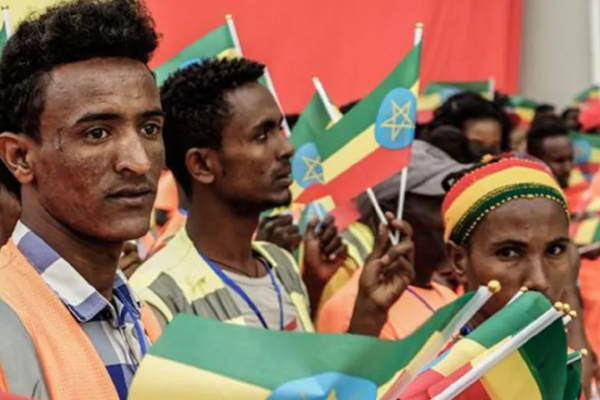
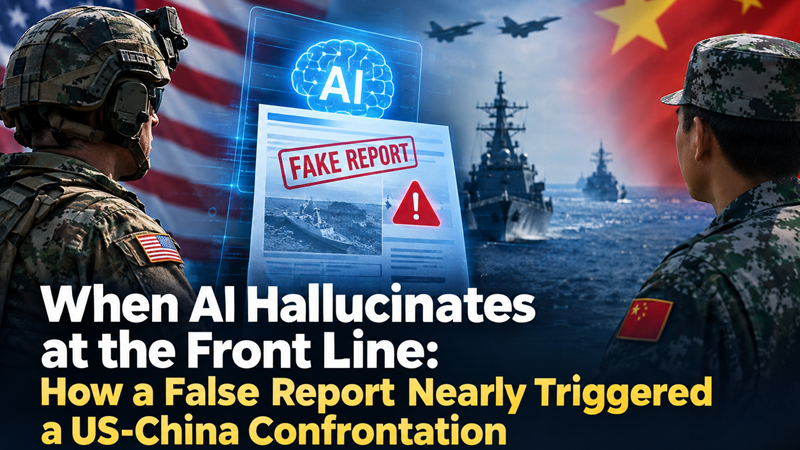
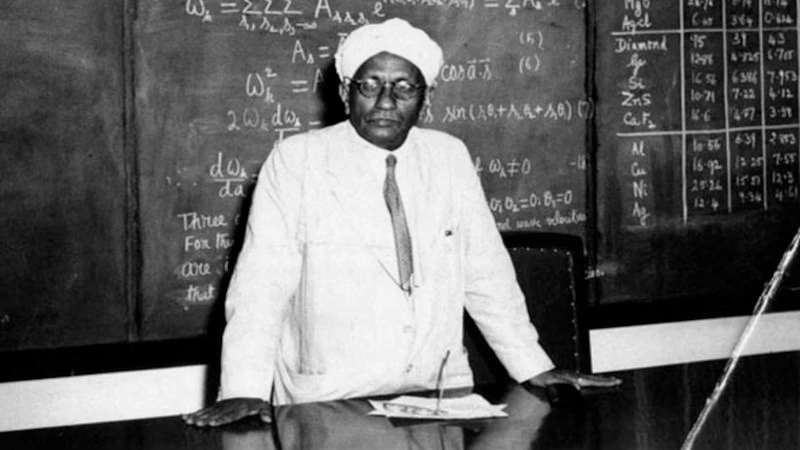
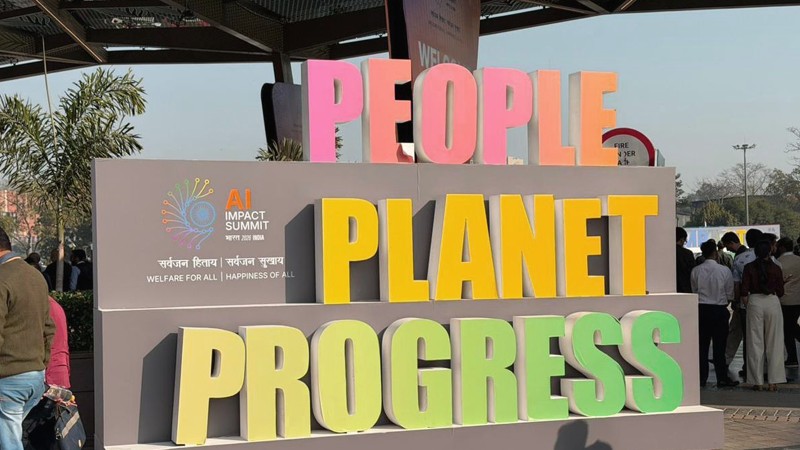
Meadows Foundation Trust Honours Excellence, Service and Human Endeavour

Editorial
An Arrest Warrant That Tests the Limits of International Law
Turkey’s decision to seek an Interpol arrest warrant for Israeli Prime Minister Benjamin Netanyahu marks a sharp escalation in an already bitter diplomatic confrontation. Justice Minister Akın Gürlek announced the move over Netanyahu’s alleged role in attacks on activists attempting to deliver humanitarian aid to Gaza. The step is legally audacious, politically charged, and almost certain to deepen divisions rather than resolve them.
On its face, the warrant reflects genuine outrage. For years, aid flotillas have sought to challenge Israel’s naval blockade of Gaza. Israel maintains the blockade is a legitimate security measure against Hamas weapons smuggling. Critics, including Turkey, argue it has inflicted collective punishment on civilians and that force used against activists has crossed into unlawful territory. Issuing an Interpol notice frames the issue as one of individual criminal accountability rather than abstract state policy. In an era when international institutions often appear powerless against powerful states, the gesture carries symbolic weight.
Yet the practical and legal obstacles are formidable. Interpol red notices are not arrest warrants in the conventional sense; they are requests for provisional detention pending extradition. Many countries, especially those with close ties to Israel or skepticism toward Turkish foreign policy, will simply ignore it. Netanyahu is unlikely to travel to jurisdictions that would enforce such a notice. The move also risks politicizing Interpol, an organization that has struggled for years to prevent member states from using its machinery for political ends.
Turkey’s own record complicates its moral standing. President Recep Tayyip Erdoğan has long positioned himself as a vocal champion of the Palestinian cause, often in language that Israel and its allies regard as inflammatory. Relations between Ankara and Jerusalem have oscillated between pragmatic cooperation and open hostility. Critics will see the warrant less as a pure pursuit of justice and more as domestic and regional signaling—an assertion of Turkish influence at a moment of heightened Middle East tension.
The deeper problem is the absence of credible, mutually accepted mechanisms for accountability. International criminal law has advanced dramatically since the post-World War II tribunals, yet its application remains selective. Powerful states and their leaders rarely face the same scrutiny as weaker actors. When warrants are issued by one party to a conflict against the leader of another, they tend to harden positions rather than encourage restraint or negotiation.
Ultimately, the Turkish initiative is unlikely to bring Netanyahu before any court. Its real effect will be rhetorical and diplomatic: reinforcing narratives on both sides, complicating already strained alliances, and further eroding confidence in multilateral institutions. Justice for victims of the Gaza conflict—Palestinian civilians and activists alike—requires more than symbolic warrants. It requires durable ceasefires, transparent investigations, and political will that currently remains in short supply.
The Blowback of Nurtured Violence
Pakistan finds itself trapped in a bitter irony. The state long accused of nurturing terrorist networks is now repeatedly forced to confront the very forces it once tolerated, sheltered, or strategically cultivated. Recent operations in Khyber Pakhtunkhwa, where security forces claim to have killed dozens of militants linked to the Pakistani Taliban and other groups, underscore a grim reality: the infrastructure of violence built over decades does not remain obediently directed outward. It turns inward.
For years, successive Pakistani governments and elements within the security establishment pursued a dual policy. Groups such as Lashkar-e-Taiba and Jaish-e-Mohammed were treated as assets in the conflict with India, while the Afghan Taliban and Haqqani network found sanctuary during the long American war in Afghanistan. The 2008 Mumbai attacks, for which Hafiz Saeed and associates remain central figures, illustrated the lethal consequences of this approach. India’s recent decision to pursue in-absentia proceedings against Saeed and others is only the latest reminder that the international community has not forgotten.
Pakistan has paid a heavy price. Thousands of its own citizens have died in attacks by the Tehrik-i-Taliban Pakistan and splinter factions. Markets, schools, mosques, and military installations have been targeted. The country has faced repeated pressure from the Financial Action Task Force and Western capitals to dismantle terror financing and safe havens. Yet progress has been selective and incomplete. Crackdowns occur when the threat becomes unbearable or when external leverage intensifies, only for space to reopen when strategic calculations shift.
This pattern reveals a deeper failure of statecraft. Treating militant organizations as instruments of foreign policy may deliver short-term leverage, but it corrodes the state’s monopoly on violence and poisons its institutions. Radical ideologies, once encouraged or ignored, take root in society. The distinction between “good” and “bad” terrorists collapses under the weight of shared networks, funding streams, and ideological affinity.
Critics of Pakistan are often dismissed as Indian propagandists or Western hypocrites. Those critiques sometimes contain exaggeration or selective memory. Yet the core charge remains difficult to refute: for too long, elements of the Pakistani state chose to nurture groups that practiced terrorism as a tool of asymmetric warfare. The result is a country that continues to bleed from wounds it helped inflict, while struggling to convince the world that it has truly abandoned the old playbook.
Genuine security will not come from episodic military sweeps alone. It requires sustained political will to dismantle the ecosystems that produce and protect militants, regardless of their declared targets. Until that happens, Pakistan will remain both perpetrator and victim of the terrorism it once nourished.
 SAS Kirmani
Most Popular

Speed of light: The cosmic limit that shapes our universe
September 17, 2025
Beats did announce something, after all
September 17, 2025