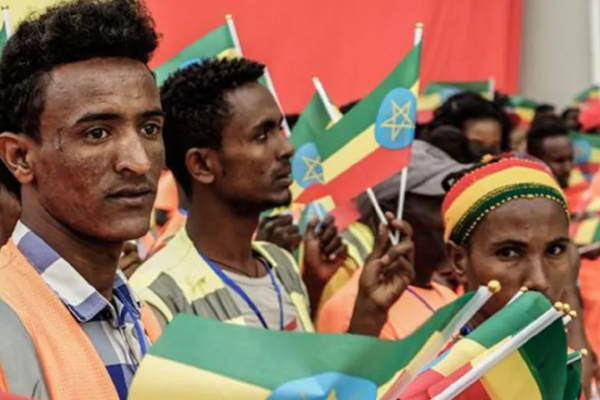
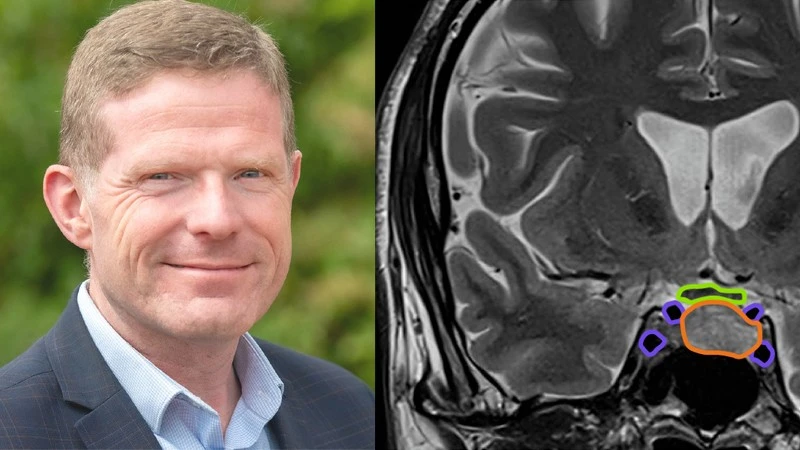
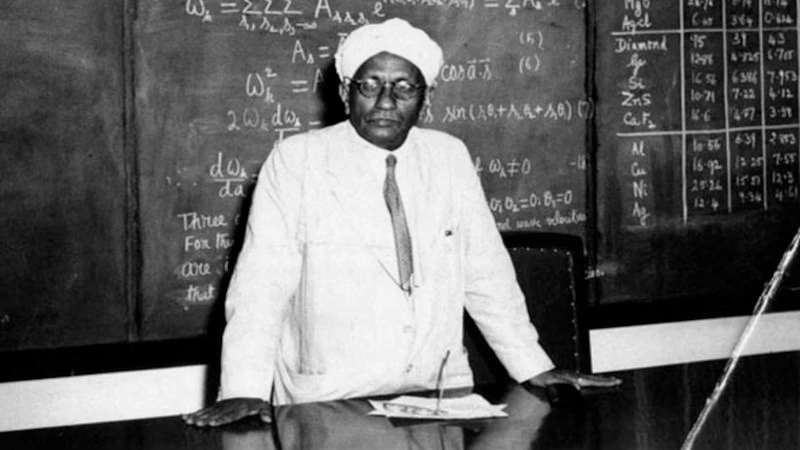
Meadows Foundation Trust Honours Excellence, Service and Human Endeavour

Editorial
Delhi Pollution: A Political Game with No Breathing Space
Every winter, Delhi’s air turns poisonous, and every winter, politics turns predictable. The crisis of pollution has become less an environmental emergency and more a political game, where blame is passed around freely but solutions remain conspicuously absent. Each political party, whether in power at the Centre, the state, or in neighbouring regions, performs its ritual denunciation of the other, offering vague explanations instead of accountable action.
The ruling dispensation in Delhi blames the Centre for policy paralysis and lack of support, while the Centre points fingers at state mismanagement and administrative incompetence. Opposition parties add their own chorus, using pollution as a seasonal weapon rather than a year-round responsibility. In this noisy blame game, the citizen is left gasping—literally—for breath, while governance disappears into press conferences and social media statements.
A convenient and recurring scapegoat in this drama is Punjab’s stubble, or parali, burning. Undeniably, crop residue burning contributes to air pollution, but reducing Delhi’s complex, multi-source pollution crisis to this single factor is both lazy and dishonest. Vehicular emissions, construction dust, industrial pollution, diesel generators, urban planning failures, and unchecked population pressure are pushed into the background. By focusing narrowly on farmers hundreds of kilometres away, governments avoid confronting urban and institutional failures closer home.
Equally troubling is the role of citizens. There is plenty of talk—on television panels, in drawing rooms, and across social media—but it remains safely confined to comfort zones. Masks are worn, air purifiers bought, and schools debated, yet there is no sustained, collective public pressure on governments to deliver structural solutions. Protests, when they occur, are fragmented and often aligned along party lines rather than united around the right to clean air.
Public voices too have become partisan echoes. Instead of demanding accountability from all governments, many citizens choose to defend “their” party and blame the “other.” This selective outrage weakens the possibility of a people’s movement for clean air. Pollution, however, does not discriminate by ideology, religion, or party affiliation; it chokes everyone equally.
Delhi’s air crisis will not be solved by seasonal blame-shifting or cosmetic measures announced every November. It demands coordinated federal action, scientific policy, and political courage—none of which flourish in an atmosphere of constant political one-upmanship. Until pollution is treated as a public health emergency rather than a political opportunity, Delhi will continue to inhale excuses instead of solutions.
The Great Cleanup: A Necessary Yet Delicate Democratic Exercise
The Election Commission’s Special Intensive Revision of voter rolls, resulting in the provisional deletion of 3.68 crore names, is an operation of monumental scale and ambition. Its stated goal—to purify the electoral roll of ghosts, duplicates, and the displaced—is fundamentally sound and essential for the integrity of the world’s largest democracy. A clean list is the bedrock of a fair election. Yet, the sheer numbers and the process itself invite critical scrutiny and demand vigilance to ensure that the cure does not weaken the patient. There is undeniable merit in this exercise. Removing deceased voters and eliminating multiple registrations are non-negotiable actions to prevent fraud and bolster public trust. The high percentage of "shifted/absent" voters, particularly in states like Andaman (21% deleted) and Tamil Nadu (15%), likely reveals outdated data and the footprints of India’s vast internal migration. Streamlining this is a technical imperative. However, the methodology and its execution raise legitimate concerns. Placing the onus on voters to submit forms to retain their franchise, rather than actively seeking to confirm their eligibility, risks disenfranchising the most vulnerable—the poor, the migrant worker, the elderly, and the less literate. The EC’s own explanation that migrants may have "chosen not to fill forms" glosses over the practical hurdles: lack of awareness, absence during BLO visits, or fear of bureaucratic processes. A deletion termed "shifted" may simply be a citizen temporarily away for work. Furthermore, the compressed timeline for claims and objections, ending January 22, places a burden on citizens to rectify the state’s potential errors. Public awareness campaigns must be relentless and accessible to ensure no genuine voter is left out due to oversight. The staggering deletions in certain states also, inevitably, invite political suspicion. The timing and geographic focus of such drives must be, and must be seen as, scrupulously neutral. Therefore, while the EC’s intent to cleanse the rolls is laudable, its success will not be measured by deletion percentages alone. The true metric will be the final roll: whether it is not only cleaner but also accurately inclusive. The Commission must couple this purge with an even more vigorous, facilitative drive for inclusion. Democracy thrives not just on the exclusion of bogus voters, but on the active inclusion of every legitimate one. The "claims period" is now the most critical phase; it is where the push for purity must gracefully make way for the imperative of participation. The world will be watching to see if India masters this balance.
BMC Elections and AIMIM’s Performance: When Groundwork Delivers Results
The Bombay Municipal Corporation (BMC) election has once again underlined a timeless political truth: hard work on the ground still matters. Amid the dominance of established parties and high-voltage rhetoric, the remarkable performance of Asaduddin Owaisi’s AIMIM—winning 81 seats—stands out as a clear signal that sustained grassroots engagement can translate into real political gains, even in India’s most competitive urban battleground.
Mumbai’s civic politics has long been shaped by entrenched party structures, identity narratives, and powerful organisational networks. For a party like AIMIM, expanding its footprint in the BMC was never going to be easy. Yet the 81-seat victory reflects years of patient ward-level work, candidate grooming, and constant engagement with local issues. This was not a sudden surge driven by rhetoric alone, but the outcome of systematic political investment at the grassroots.
AIMIM’s campaign consciously avoided abstract national debates and instead focused on everyday civic concerns—housing shortages, sanitation failures, water supply irregularities, public health services, and the chronic neglect of slums and informal settlements. In a city where municipal governance directly impacts daily life, this issue-based approach struck a chord with voters increasingly disillusioned by political grandstanding and declining service delivery.
Asaduddin Owaisi’s leadership, often polarising at the national level, proved effective in the municipal context. By articulating local grievances with clarity and consistency, AIMIM positioned itself as a credible alternative for communities that felt politically invisible. The scale of the win—81 seats—suggests that voters responded not merely to identity appeals, but to the party’s organisational discipline and visible presence on the ground.
The BMC result also reflects a broader shift in urban electoral behaviour. Municipal elections are no longer treated as secondary contests. Voters are beginning to differentiate between ideological narratives and governance performance. They are increasingly willing to reward parties that remain accessible, responsive, and engaged beyond election cycles.
For established political players, AIMIM’s performance should serve as a cautionary message. Urban voters are no longer captive to legacy politics. Representation must deliver results, or alternatives will emerge.
Ultimately, the BMC election reinforces a core democratic lesson: political credibility is built street by street, ward by ward. AIMIM’s 81-seat victory is a testament to the enduring power of sustained grassroots work—and a reminder that in democracy, perseverance still counts.
 SAS Kirmani
Most Popular

Speed of light: The cosmic limit that shapes our universe
September 17, 2025
Beats did announce something, after all
September 17, 2025